The story book whose pictures disappeared
I gave myself one month to build an AI storytelling prototype. Writing the story was the easy part, and getting good images wasn't.
This is where I share what I'm building and testing, including the things I've parked. Some started with a problem I couldn't let go of, and some I built because I thought they'd be cool. Most of them test new ways to direct AI video and images, like posing a character by hand, checking a camera move in a 3D set, or moving around inside a painting rebuilt in 3D.
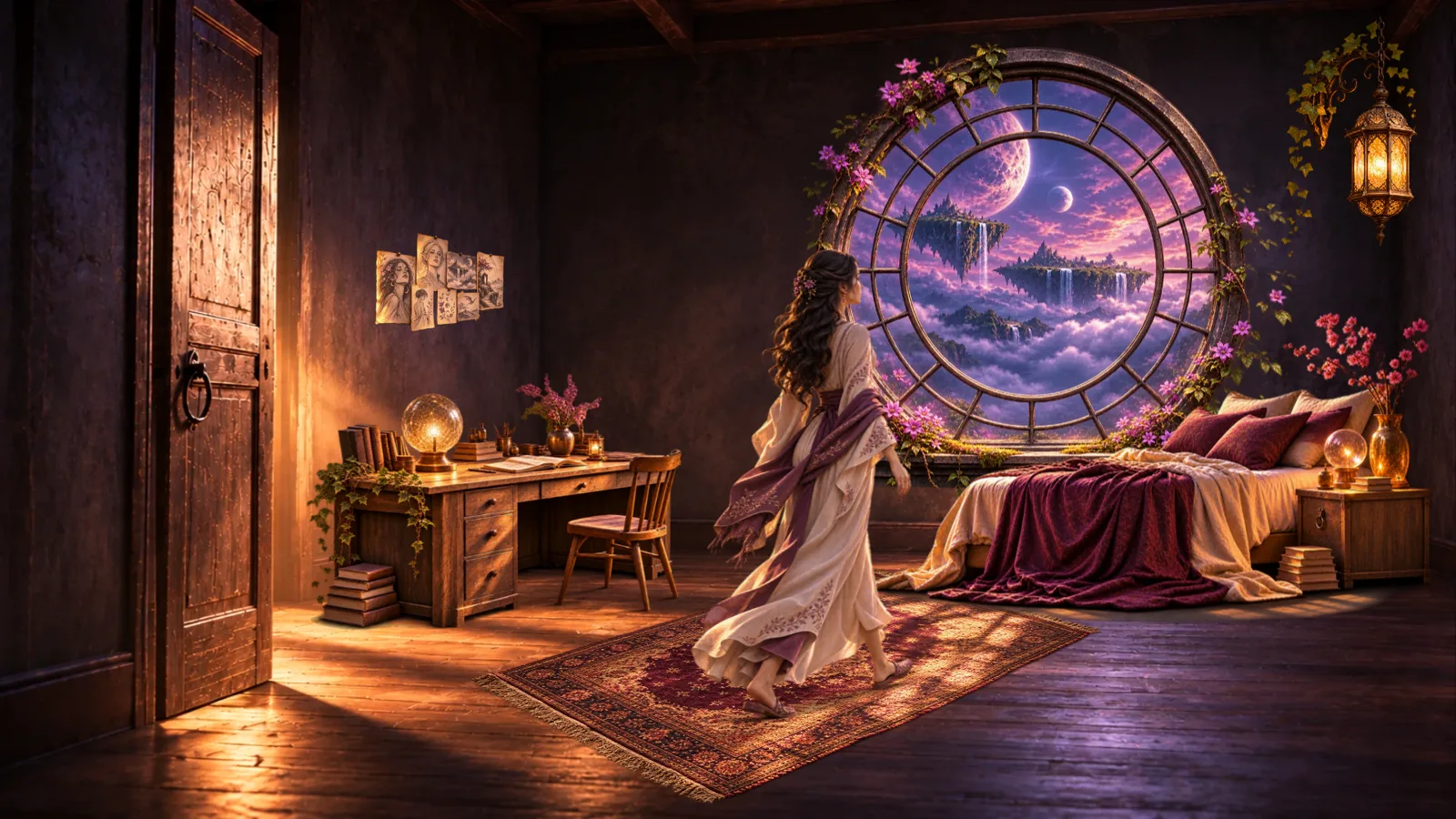
MyStory is a concept, and my journey into immersive storytelling. It started as an AI film planner. Now you describe a room out loud, each thing appears in it, and the room becomes a film.
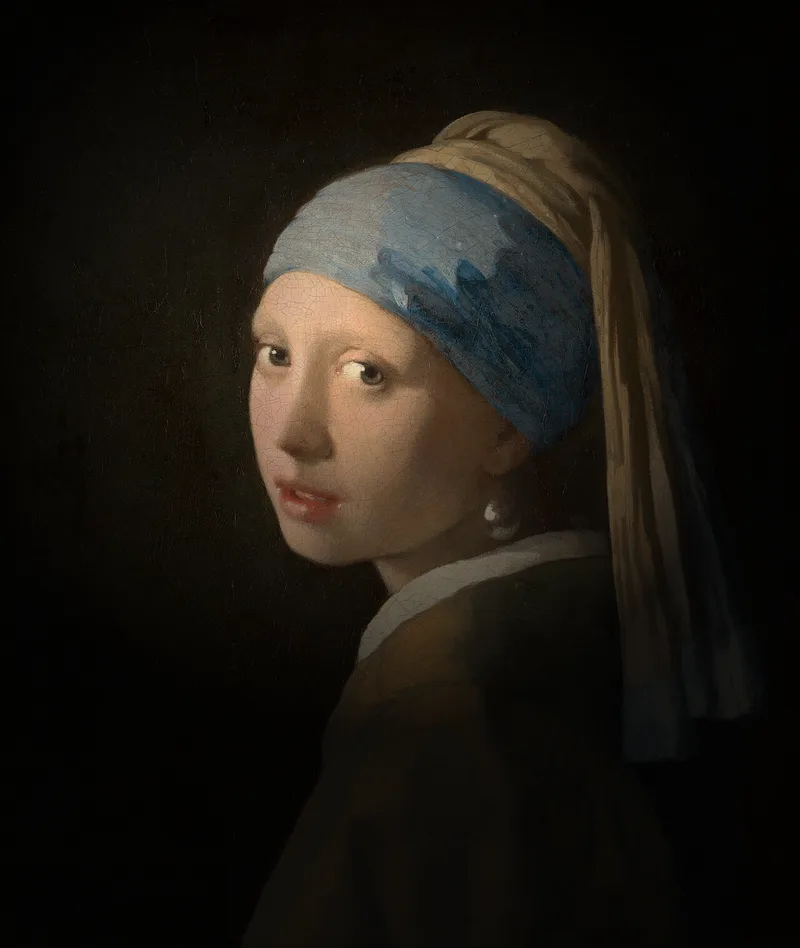
I used an AI depth model to guess the shape of the face in a painting, so a light can sit wherever your mouse or finger is.
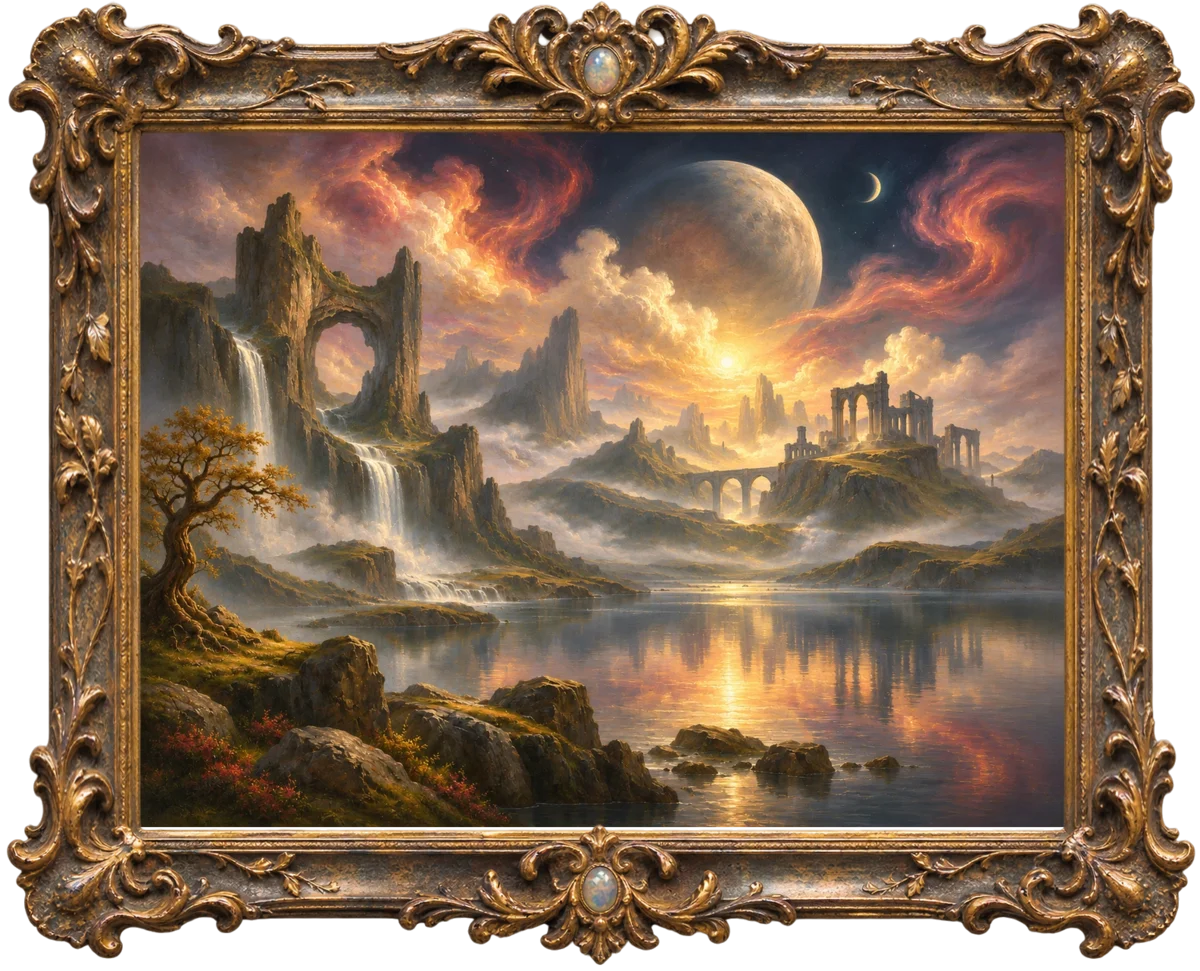
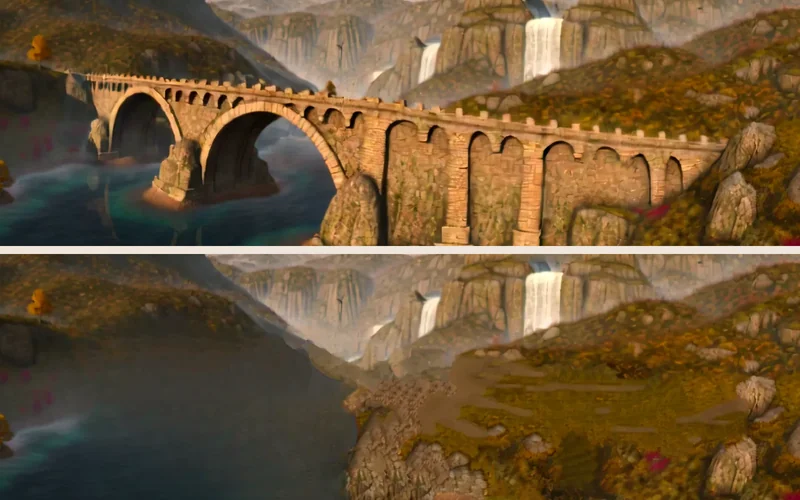
I asked a world model not to invent a bridge, and it added one anyway. When I painted the bridge out of its 360-degree view, the bridge stayed gone, but my rough fill showed up as a smudge in 3D.
I gave an AI agent seven tools and one written rule, which was no bridges outside the painting's frame. It removed three invented bridges and changed 4.99% of the 360-degree picture's pixels, but a thin black line still shows in 3D where one bridge stood.
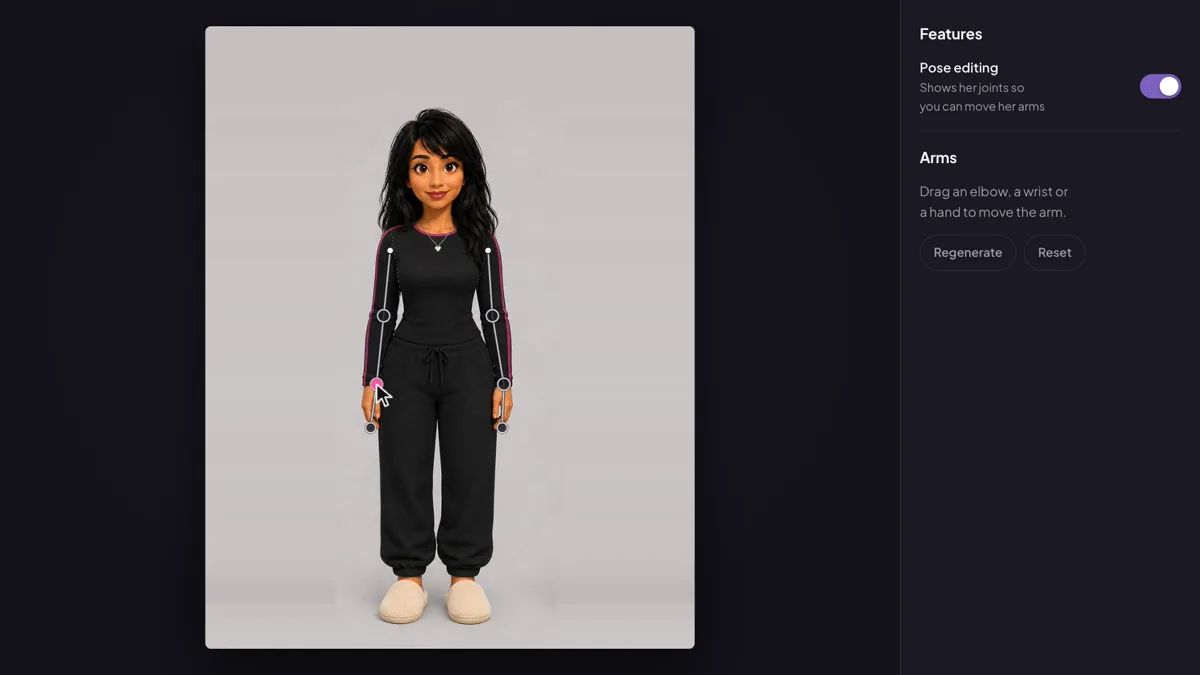
I built a small app where you drag Lola's elbows, wrists and hands into a new pose, then press Regenerate. An image model redraws her in that pose, and the recording shows her posed like a teapot.
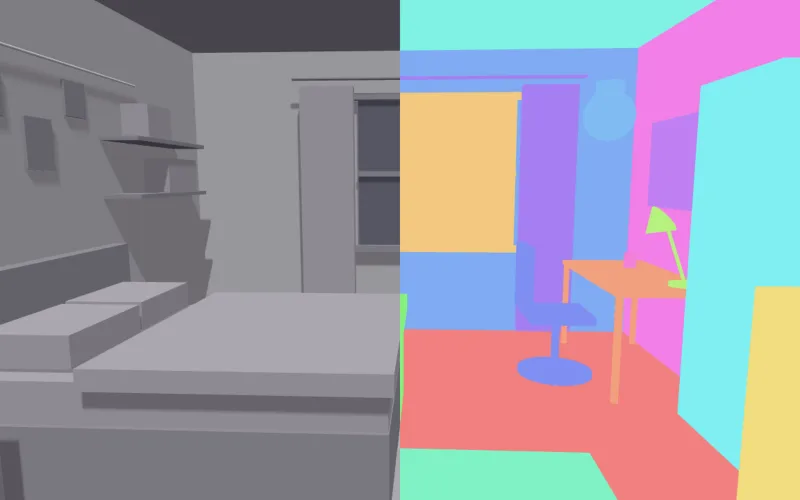
I built a small MCP server that works out what a planned camera move will show in the 3D layout of Lola's bedroom. It finds the objects the prompt names that the camera never shows, or loses partway, before any video is made.
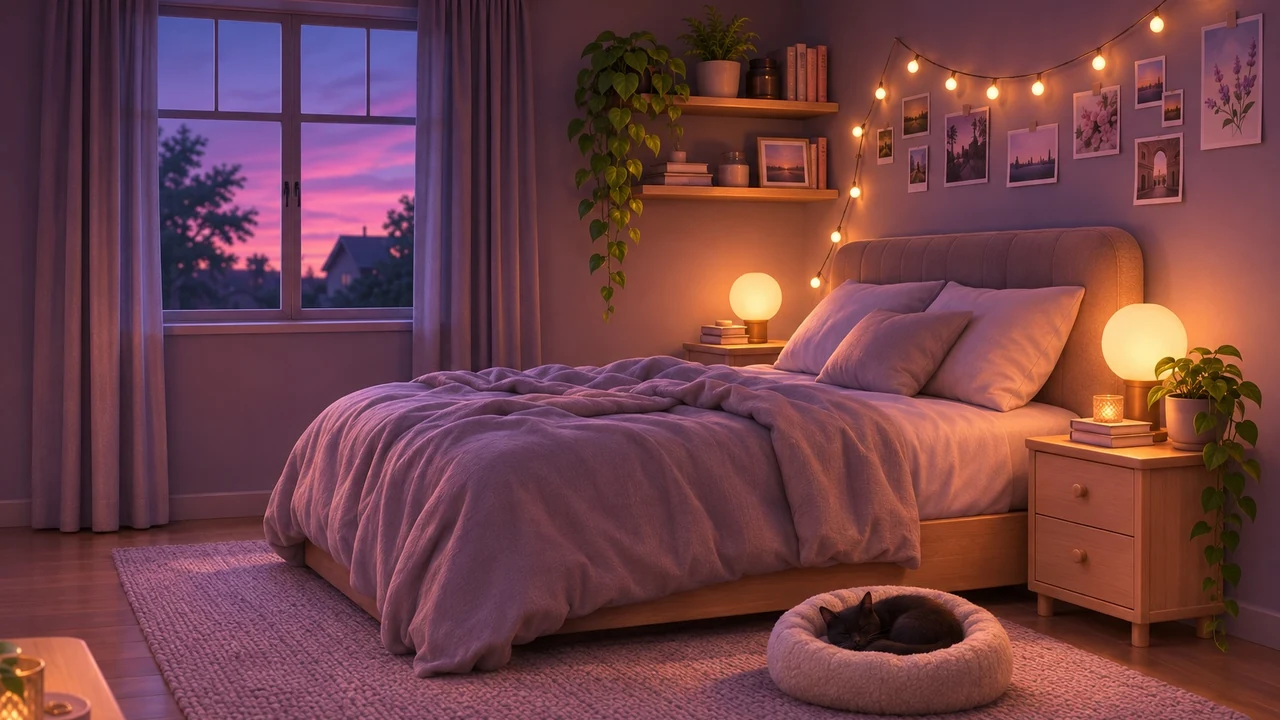
Lola is the lead in my AI video series, and her house only existed as a few pictures that didn't agree. This is the whole attempt to turn them into rooms a camera can move through. There's a kitchen grown from one picture, a floor plan that took 48 versions, and a bedroom built in 3D. It covers what went wrong and what fixed it.
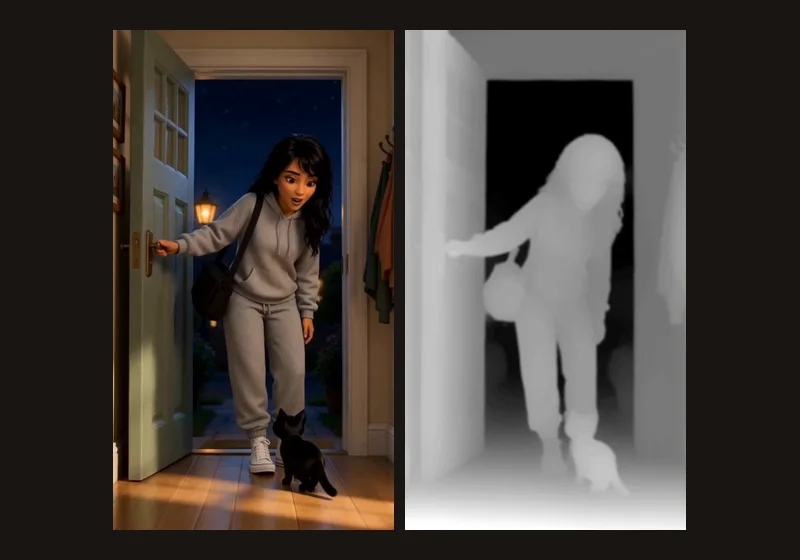
I turned scenes from The Life of Lola into 3D by estimating depth and redrawing each eye. Then I measured the same method on a separate test shot, where true stereo could be rendered from a 3D layout of Lola's bedroom.
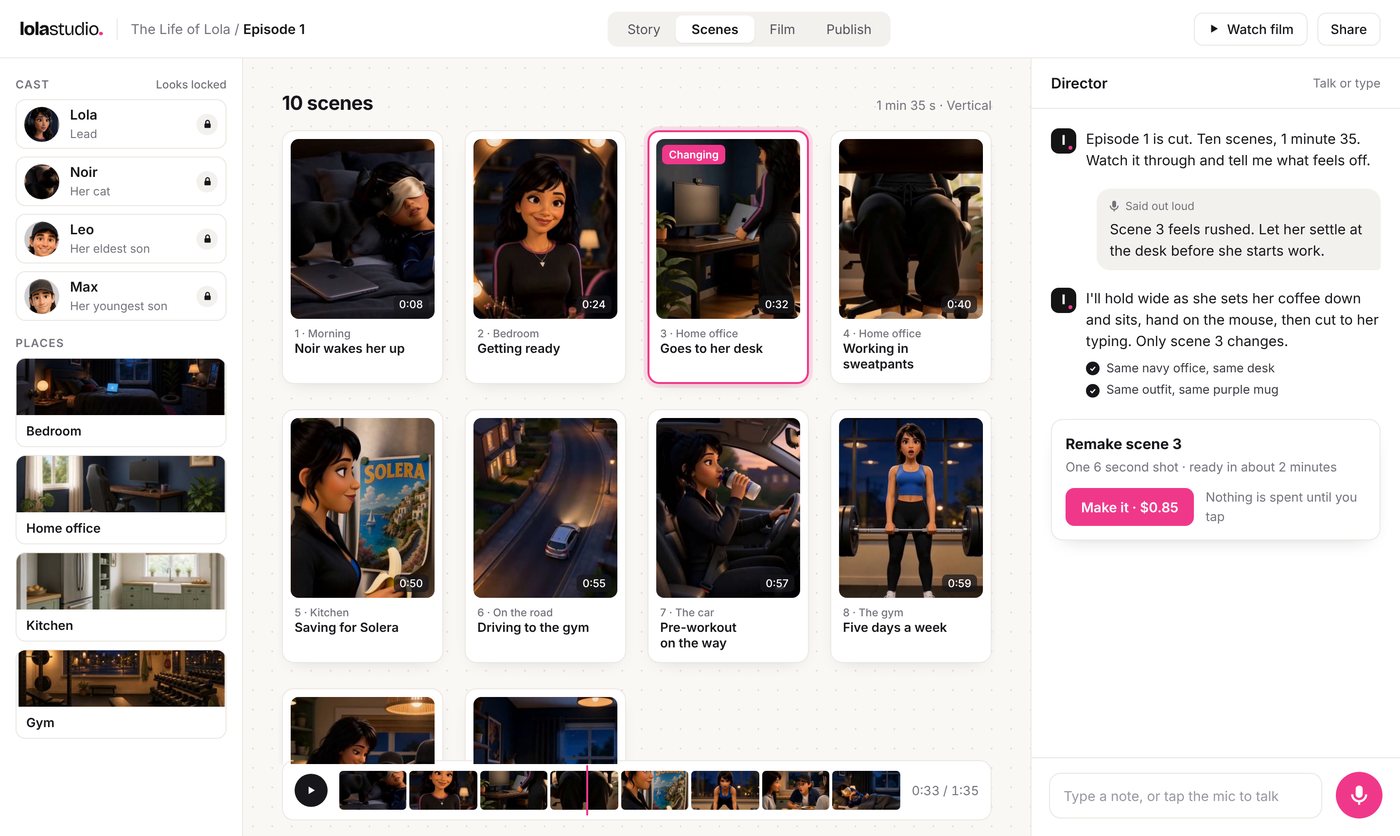
The Life of Lola is my own series, made with AI video, and every bad take had to be paid for and made again. I started building Lola Studio to help me direct episode 1, and I logged every take along the way.
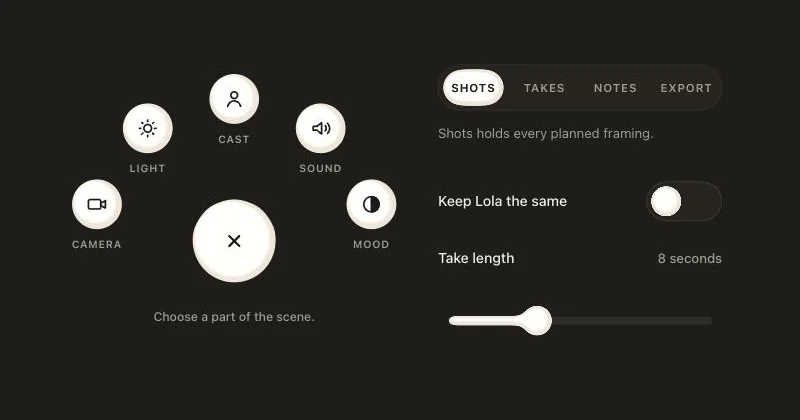
I wanted to try a different style of controls for Lola Studio, so I made the controls for directing a scene from a gooey material. The menu melts open into droplets and the slider handle wobbles when you let go.
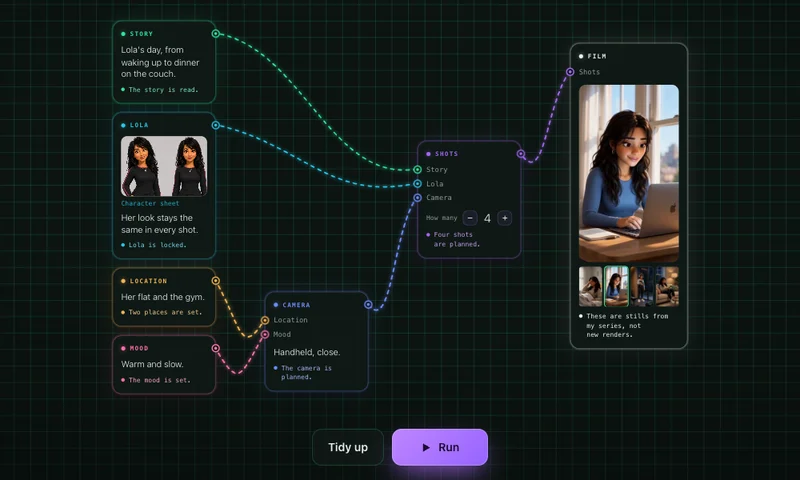
I laid out a Lola Studio scene as cards joined with wires. The story, Lola, the place and the mood feed the camera and the shots, and pressing Run puts the film together.
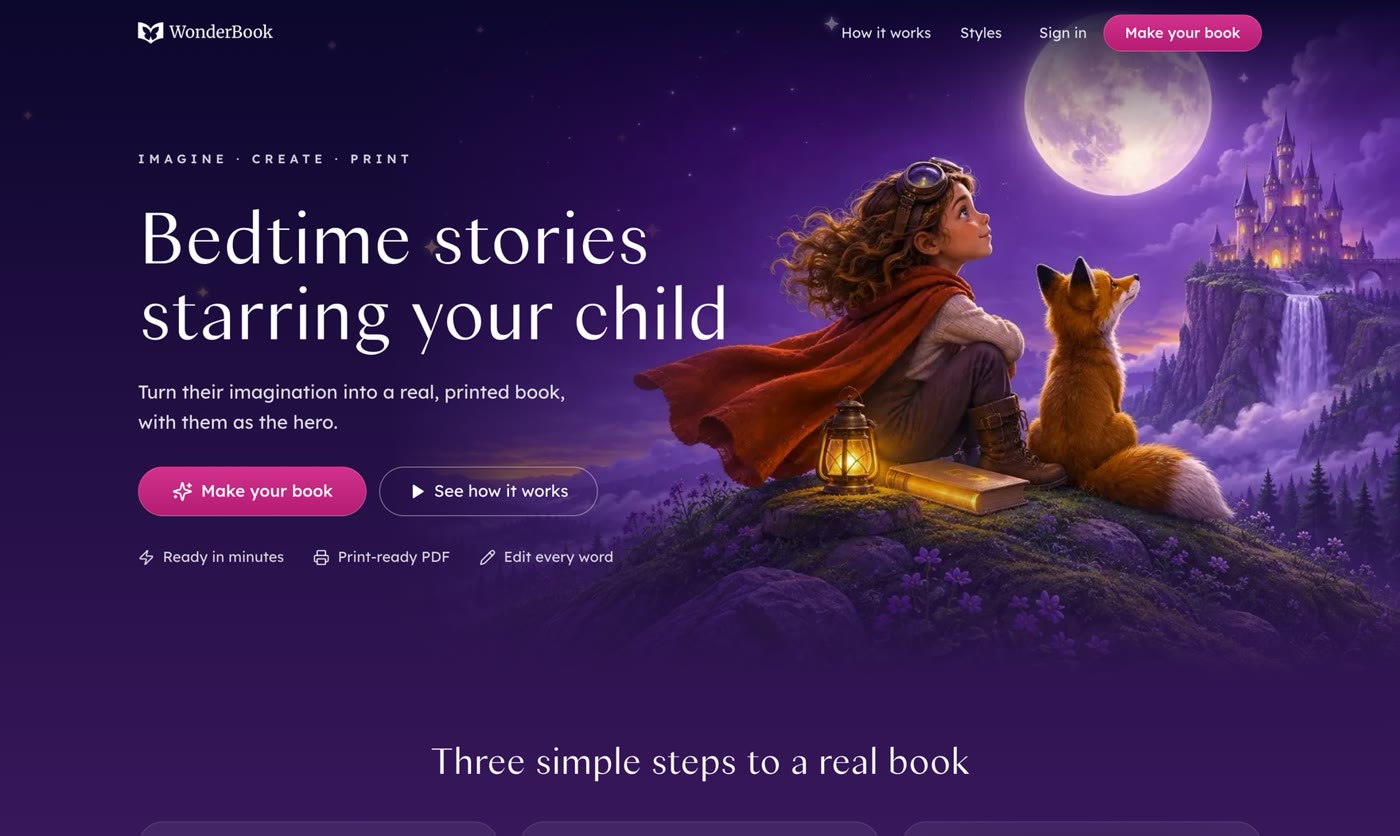
Pick the world, the hero and the mission, and WonderBook writes the whole book in about a minute. Then you can edit it on the page with the AI co‑writer.
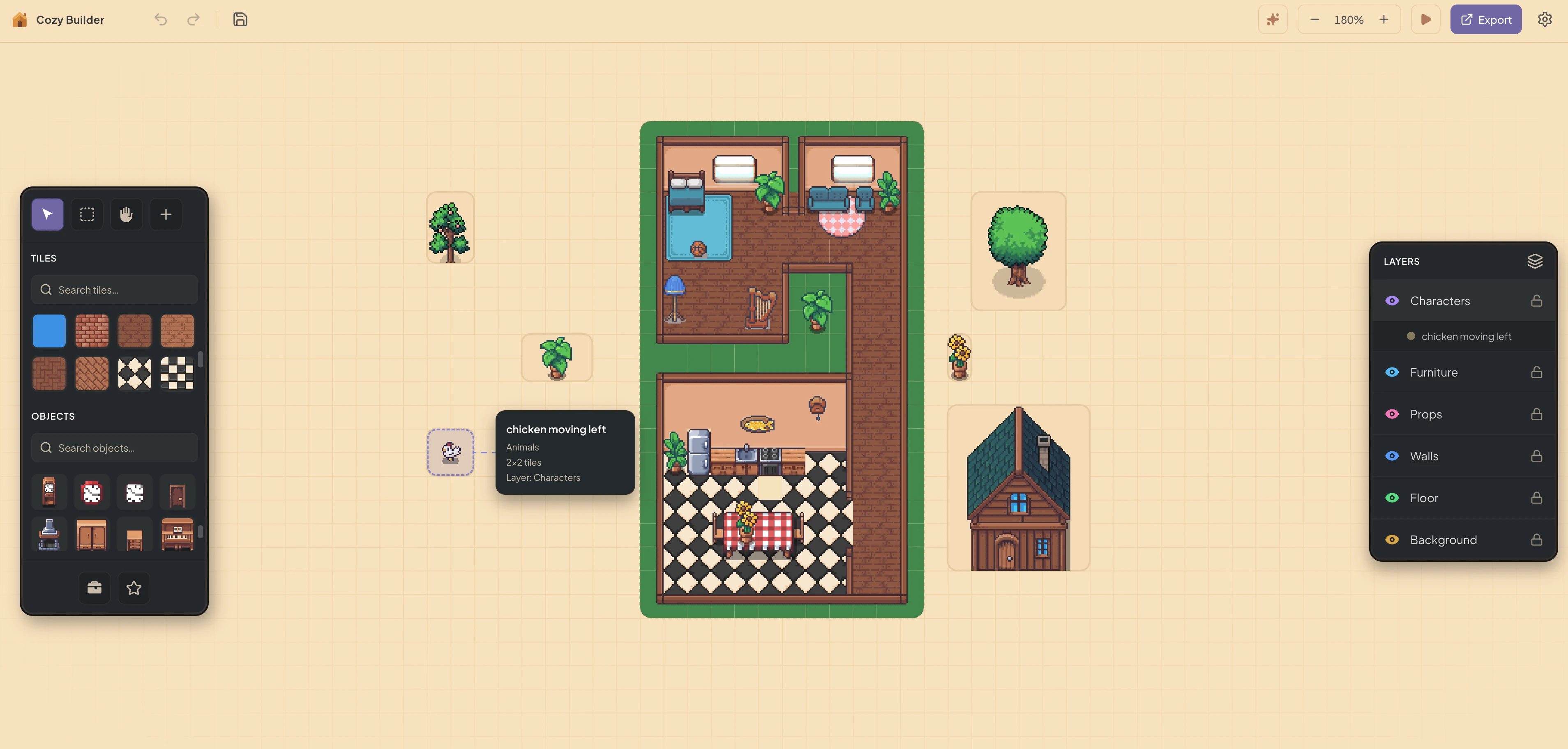
I spent a day off trying to get AI to lay out a scene, and back came scrambled layouts. So I built Cozy Builder, a tool AI could actually work in.
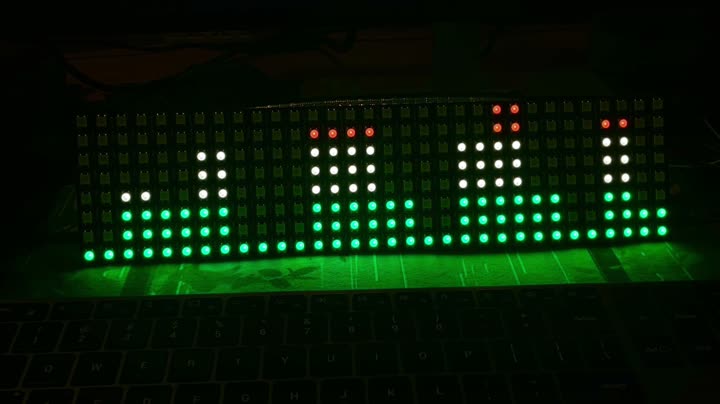
Two side builds where code makes light move. One is a song with light that reacts to the music, and the other is an LED matrix I programmed to run tiny animations.
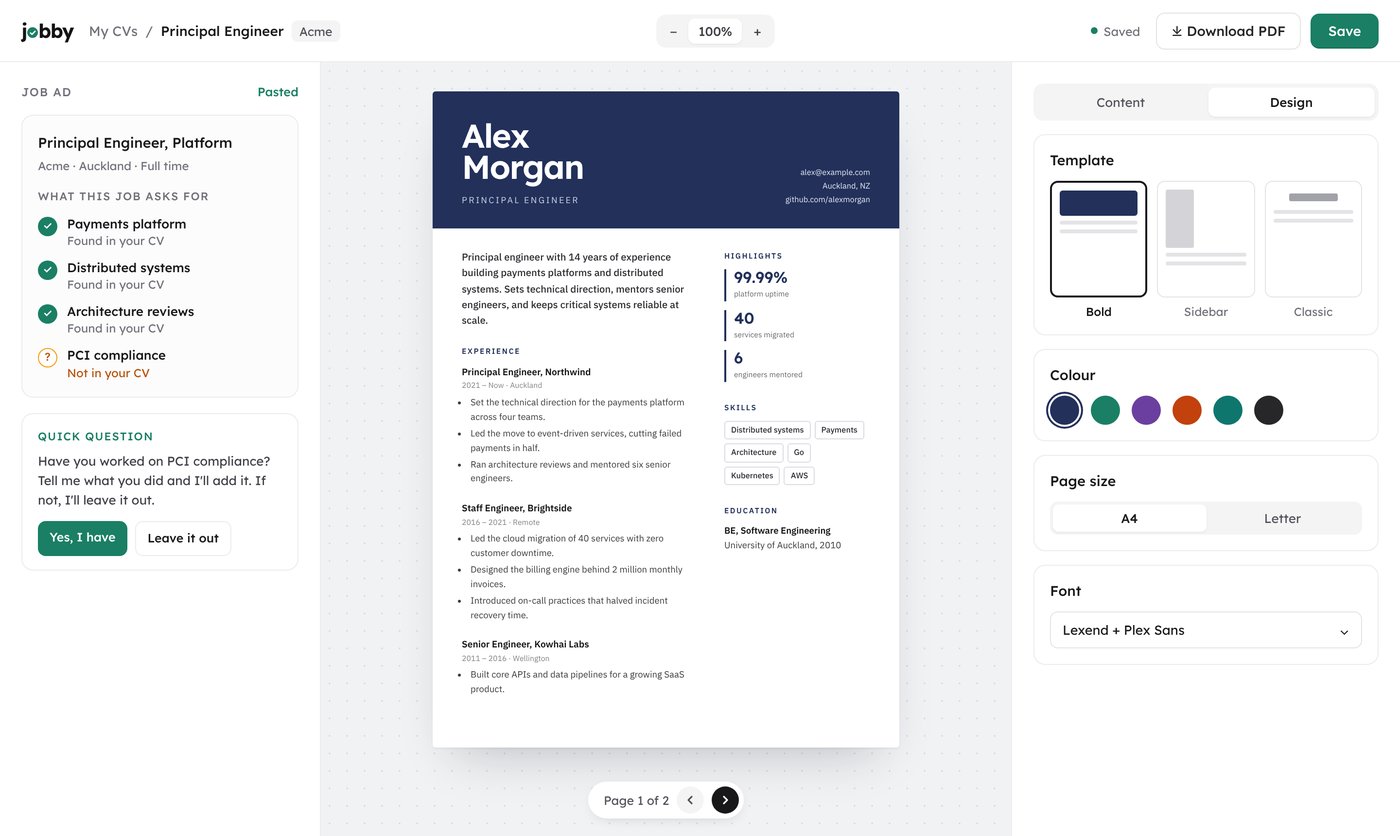
Paste a job ad. Jobby shows which skills you already have, asks about the rest, and never makes anything up.
I gave myself one month to build an AI storytelling prototype. Writing the story was the easy part, and getting good images wasn't.