Making Things Work in Aotearoa
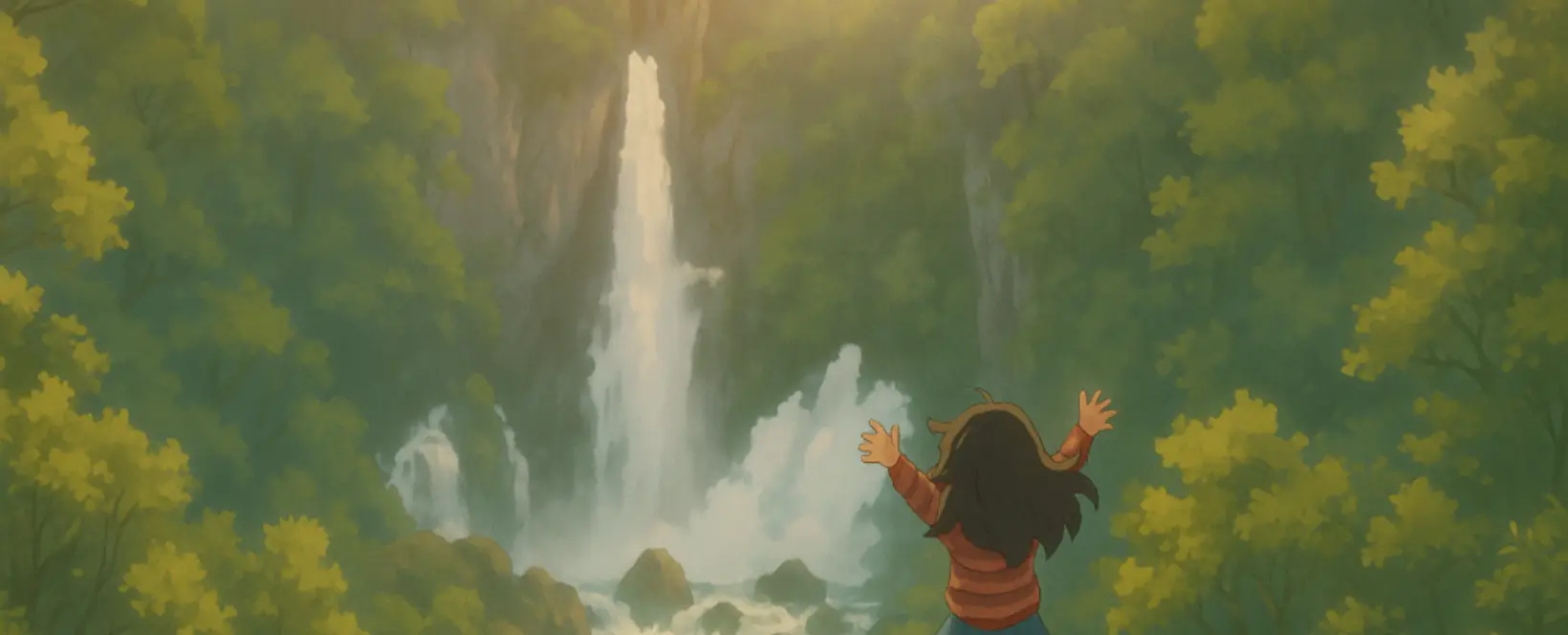
I grew up in Kawerau, a mill town people only knew for its mountain race, papermill shifts, and a waterfall everyone claimed like it made us famous.
I spent most of my time outside on a pink BMX my dad built from spare parts, racing boys who thought they were faster than me, climbing trees we got yelled at for, and sneaking onto rooftops just because we weren’t supposed to.
When I wasn’t outside, I was in the local library. It was only a few minutes from home, and I’d sit there alone for hours until closing, stacking lots books on the counter, that the librarian could barely see me behind them. Mum never worried. She knew exactly where I was.
Before I even started school, I was raiding my brothers’ backpacks just to read their maths books. Dad, an engineer who could build anything, made me a blackboard and taught me equations before I’d even started my first class.
Mum forced me into piano lessons I swore I hated, which taught me discipline before I even had a word for it. My brothers and I had superhero drawing battles like our lives depended on it.
I didn’t realise it then, but I was already being wired, logic from maths, creativity from drawing, grit from competition, momentum from movement.
When I was eight, my parents bought a computer that came with a programming book. I started building my own Choose Your Own Adventure games (emulating the novels) and loved watching them come to life.
I built my first website at 19 with HTML and CSS. It was a chaotic, animated mess, it would give designers the heeby jeebys today, but seeing it function back then pushed me to keep building.
Making money
I couldn't land a supermarket job, no matter how many times I tried to apply. So, I started building things at home instead.
A few years later, I designed a custom reward chart for my son's routines. Watching him proudly stick on stars daily, showed me the power of building useful things. Next thing I knew, people were asking to buy them.
That business was my design school. I taught myself Photoshop and quickly learned that great design is about clarity and structure, not just colour. I became obsessed with fixing anything even slightly misaligned. This focus on making things make sense, instead of just making them flash, is a foundation that still guides how I build interfaces now.
When code became a tool for freedom
The business admin was painful to manage. I was looking for any way to automate. An online friend introduced me to PHP, turning code into a practical tool for buying back my time.
Working late on the desktop, I learned by building, breaking, and fixing things. Once I realised what I could build, I was hooked.
Structuring seven years of self coding
Despite seven years of coding, I still didn’t have the qualifications employers wanted. I tried getting in without them, but no one would budge.
So in 2012, when my second son was five, I enrolled in a ten-month web development diploma. After I submitted my entry work, they emailed back saying I was already at an advanced level.
That was confusing as hell, because if I was “advanced”, why couldn’t I get hired anywhere?
Anywho, I intentionally connected with everyone in class; I was excited to be surrounded by people with minds like mine! I made an effort to try to get to know everyone early on and throughout the course, which eventually proved critical for our group project.
Knowing everyone's strengths, I designated roles, explained why and everyone agreed. We were the only team to finish that module by the deadline, complete, and bug-free. This taught me that effective leadership is about understanding people and guiding them to deliver their best.
Chaos meets creativity
During our course exhibition, a co-owner of a local dev shop spotted my project and asked, “I want to know who built that.” That moment led to my first full-time developer role.
The workplace was a mix of chaos and creativity: dogs, ping-pong balls flying past my nose, music blasting, and deadlines. We built everything from small websites to massive government platforms. It was intense but fun, and I learned how to ship quickly, collaborate under pressure, and keep learning on the job.
The power of adaptation
Over time, I moved through different teams, each with its own culture and pace. Every environment, from super-strict process-driven setups to organised chaos, taught me something new about how to think beyond the code I was writing.
Eventually, I started working remotely with teams across the Tasman (Australia). I learned how to align across time zones, stay independent, and still keep projects moving without losing connection to the people behind the screens. It proved you don’t have to be in the same room to build something meaningful, just maybe a strong Wi-Fi connection.
Discipline and creativity are intertwined
Outside of coding, I’ve always relied on structure. Training in the gym taught me discipline and consistency, the kind where you just push through, even when your shoulders are crying out. Music taught me rhythm and patience. Drawing taught me to look closely at details. All of these things feed directly into how I approach design and engineering.
Creativity gives direction, structure gives shape, and discipline keeps me improving.
Resourcefulness
If my journey has a single consistent theme, it’s resourcefulness. It started with making our own fun on BMXs and continued through teaching myself code with a book at 8. Every step, from the reward chart to building platforms, came from seeing a problem and forcing a solution with the tools at hand. It reinforced that innovation comes from solving real problems, not chasing trends. It also reminded me that starting small doesn’t mean staying small.
Still making things that matter
Now, whether I’m building in New Zealand or working remotely, my approach stays the same. Keep learning, build with purpose, and create things that actually matter.
Thanks for reading. I hope this reminded you that it’s okay to build from wherever you are, just don’t stop.